News & Events

Rewriting survival

February 20th, 2026

Fifty years ago, a breast cancer diagnosis meant a similarly aggressive path for nearly everyone: highly invasive surgery to remove as much tissue as possible—sometimes including not just the breast but the lymph nodes and chest muscle—often combined with toxic chemotherapy and radiation.…

A better journey

July 24th, 2025

When Georgetown family medicine physician Sarah Kureshi felt a strange mass in her toddler daughter’s stomach, she suspected something like an intussusception, an intestinal blockage. Two-and-half-year-old Nusayba had vomited once that morning, but was feeling better. Still, to be sure, her mother brought her to the hospital to be evaluated.…

The resilient brain

July 23rd, 2025

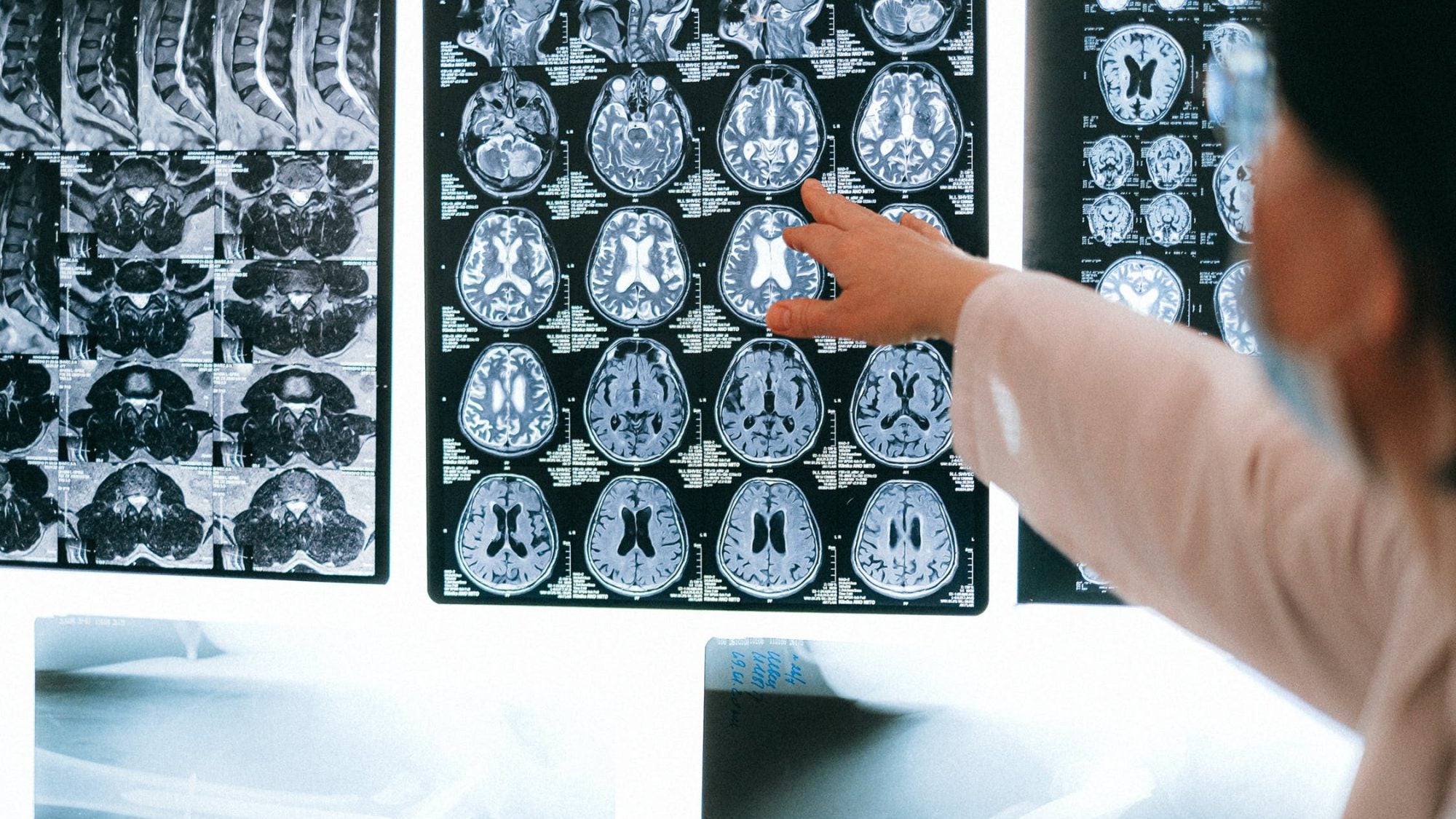
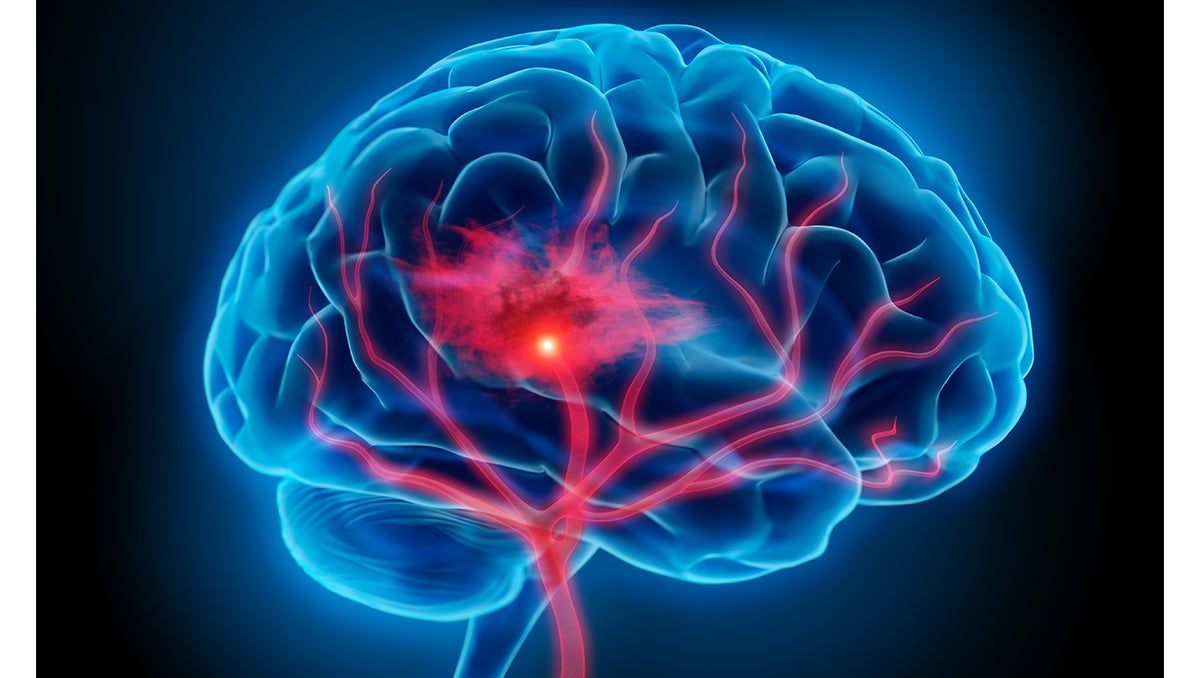
It happens in an instant. One moment, you’re reaching for a coffee mug, preparing breakfast—and the next, everything changes. Your right side feels impossibly heavy, and fingers refuse to respond. Words form in your mind but won’t come out of your mouth. Each passing moment could mean the difference between recovery and life-altering disability.…

Fauci joins Georgetown faculty

October 3rd, 2023

This summer, infectious diseases expert and advisor to seven presidents Anthony Fauci, M.D., joined the Georgetown faculty as a Distinguished University Professor, the university’s highest professional honor that recognizes extraordinary achievement in scholarship, teaching, and service.…

The curious brain

June 27th, 2023

From the time he was a young boy, fascinated with dinosaurs and his rock collection, Zac Colon (G’21) always felt drawn to the sciences. He liked understanding how organisms and systems worked—at one point even informing his parents he wanted to autopsy a dead squirrel.…

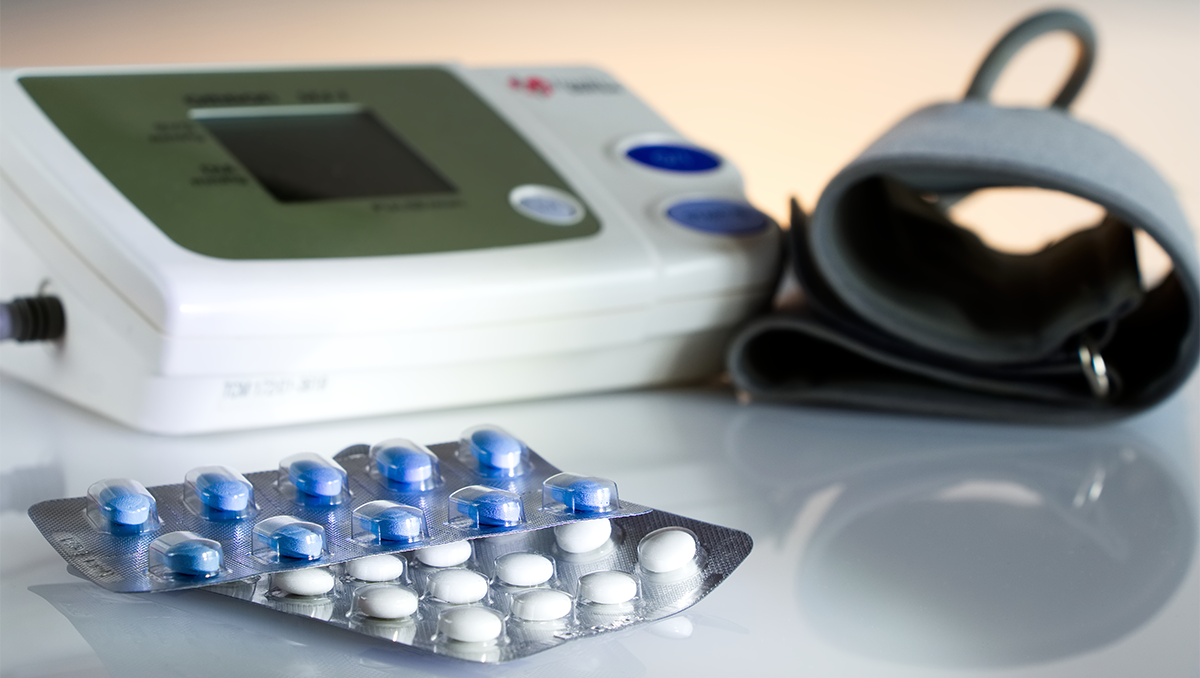
Blood pressure machine and cuff

Research Reveals How Aging Cells Can Be an Underlying Cause of Kidney Damage

December 8th, 2021

A study in mice by researchers at Georgetown Lombardi Comprehensive Cancer Center has found that stress and tissue damage initiated by angiotensin II, a molecule that is known to increase blood pressure and stiffening in the linings of blood vessels, leads to cellular senescence, a process by which a cell ages and permanently stops dividing but does not die. Importantly, when the researchers eliminated senescent cells from the mice, tissues returned to a normal state in spite of a continued infusion of angiotensin II.…

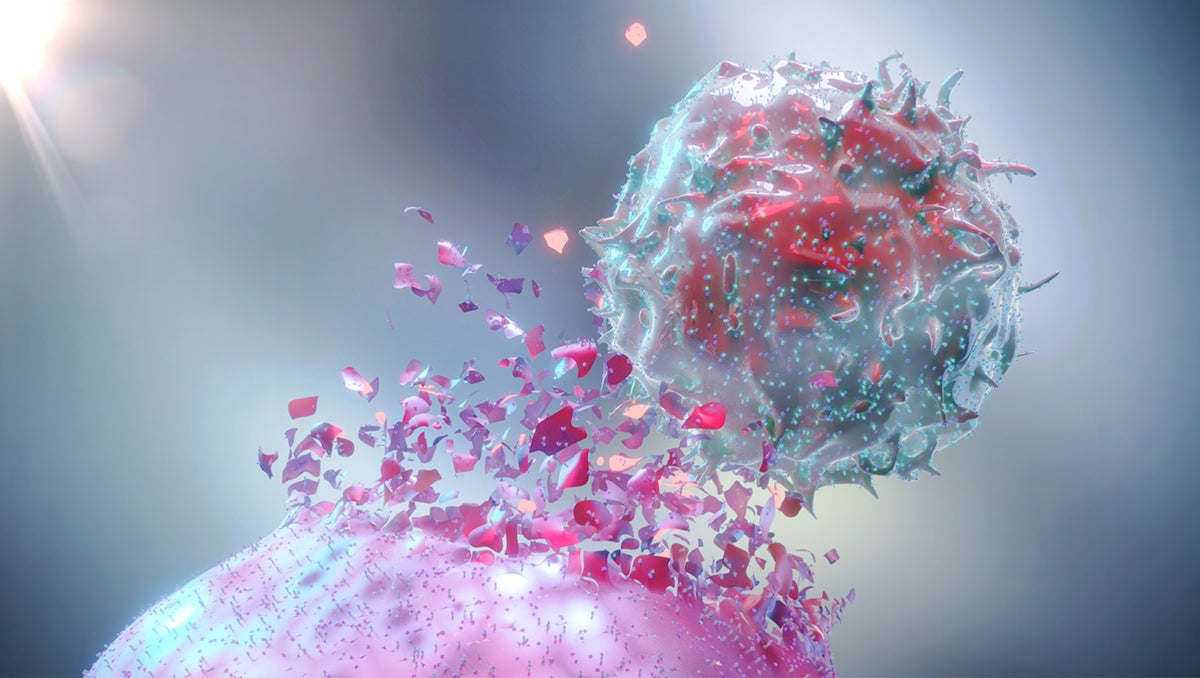
3D rendering of a natural killer cell destroying a cancer cell

Trial Stopped Early: Giving Immunotherapy Before Targeted Rx Improves Survival in Advanced Melanoma

November 15th, 2021

More people with advanced melanoma survive for two years or more when they receive a combination of two immunotherapy drugs given before a combination of two targeted therapies, if needed, compared to people who start treatment with targeted therapies. The finding comes from a clinical trial that was stopped early because definitive results became apparent sooner than expected. It provides strong evidence for how best to treat patients with melanoma that has a specific mutation: Immunotherapy is the better initial approach even for people whose tumors have a mutation that could be treated by targeted therapies.…

Colorful brain image

Vascular Defects Appear to Underlie the Progression of Parkinson’s Disease

November 12th, 2021

In an unexpected discovery, Georgetown University Medical Center researchers have identified what appears to be a significant vascular defect in patients with moderately severe Parkinson’s disease. The finding could help explain an earlier outcome of the same study, in which the drug nilotinib was able to halt motor and nonmotor (cognition and quality of life) decline in the long term.…

GUMC Logo

Critical Period After Stroke Study (CPASS): A Phase II Clinical Trial Testing an Optimal Time for Motor Recovery After Stroke in Humans

September 20th, 2021

A phase II randomized clinical trial found that the optimal period for intensive rehabilitation of arm and hand use after a stroke should begin 60 to 90 days after the event. The study, conducted by Georgetown University and MedStar National Rehabilitation Network (NRH) researchers, was published September 20, 2021, in PNAS (Critical Period After Stroke Study (CPASS): A Phase II Clinical Trial Testing an Optimal Time for Motor Recovery After Stroke in Humans).…

Colorful brain image

Key Mental Abilities Can Actually Improve During Aging

August 19th, 2021

It’s long been believed that advancing age leads to broad declines in our mental abilities. Now, new research from Georgetown University Medical Center offers surprisingly good news by countering this view.…